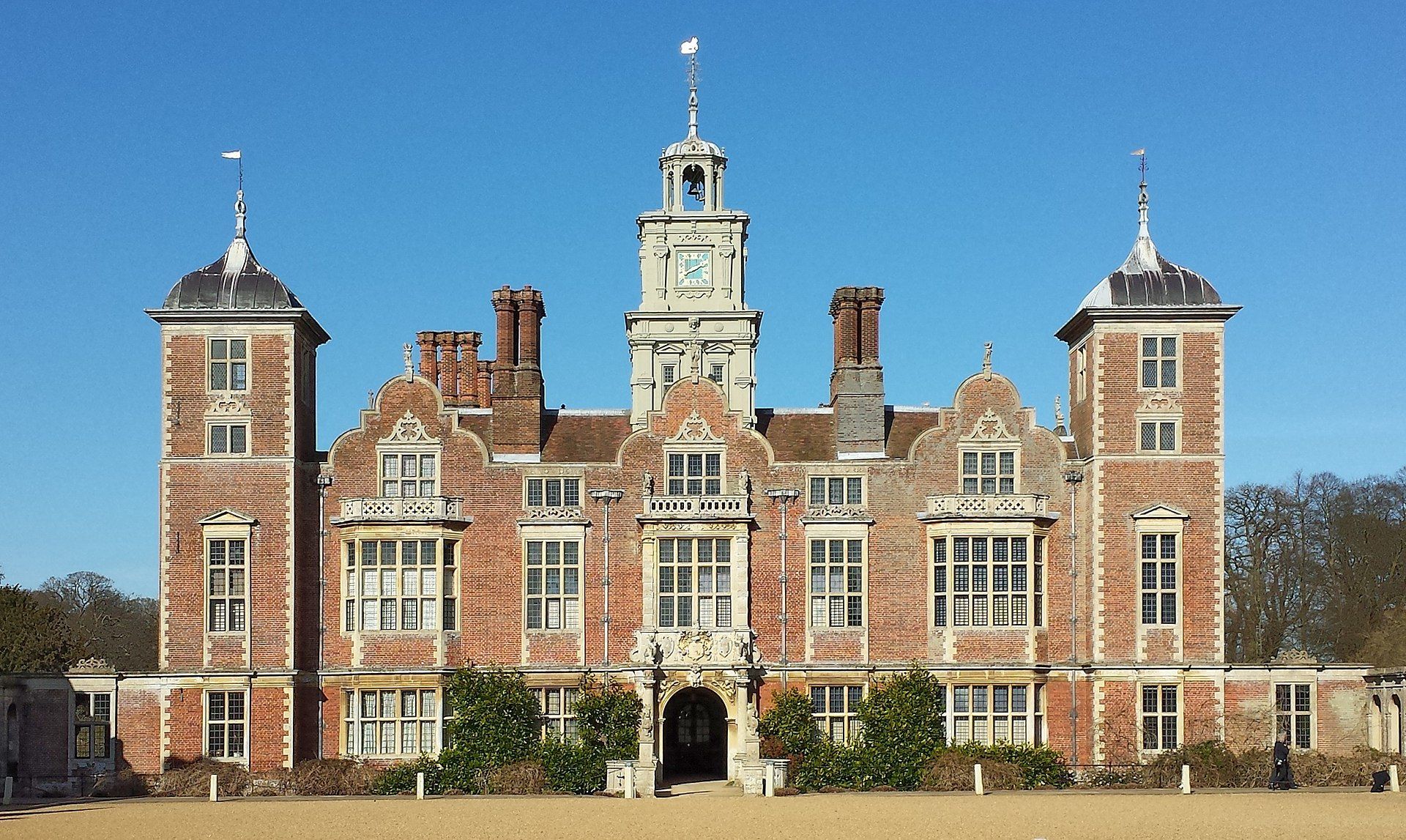
Like everybody else I have a purse full of plastic cards. The only one I really enjoy taking out is the one that gains me entry to the historical houses that belong to The National Trust. This wonderful and very important organisation owns hundreds of properties all over the British Isles.
From tiny pubs in remote villages to vast country mansions, The National Trust is there to maintain and preserve our rich heritage. No matter where you live there are fascinating places within easy reach. You will not be surprised to hear that some of these creaky old houses are haunted.
A lovely old manor house I have visited several times is Baddesley Clinton in Knowle, Solihull. This building dates right back to the early Middle Ages, and it is thought to be haunted by one of its former owners, a man called Nicholas Brome.
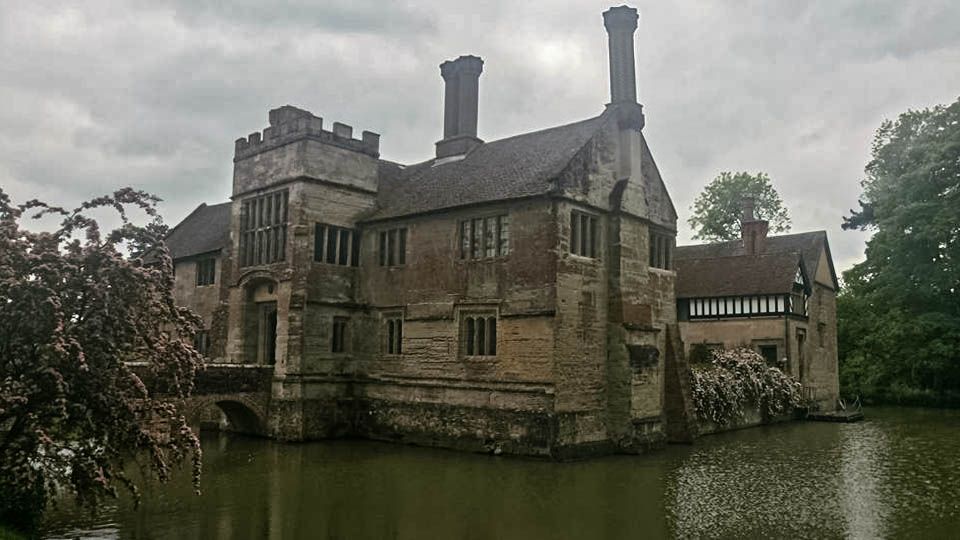
The Brome family lived here during the Wars of the Roses and, unfortunately for them, in 1461 they found themselves on the losing side. This led to a serious falling out with the Earl of Warwick, culminating in the murder of the family’s patriarch, John Brome. Shortly afterwards, John’s son, Nicholas took a bloody revenge and stabbed to death the Earl of Warwick’s Steward. Nicholas Brome had an appetite for violence and people crossed him at their peril.
One night he returned home to find his wife in a compromising position with no less a person than the local parish priest. The priest, it seems, was tickling his mistress, “under ye chinne”. This was more than enough to send Nicholas into a terrible rage.
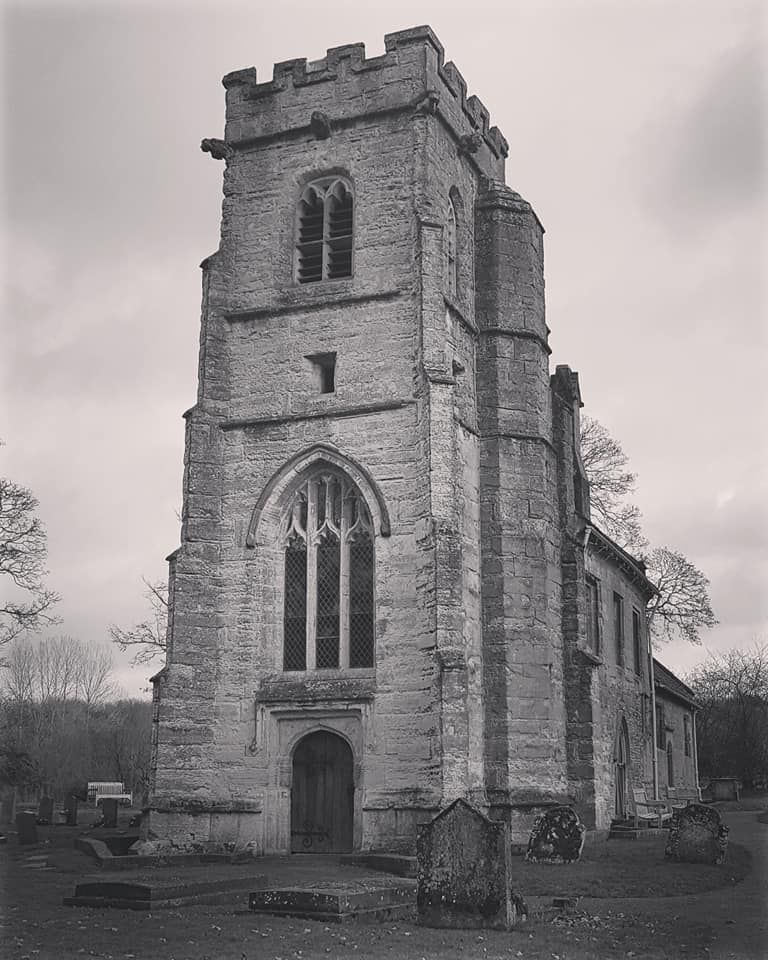
He drew his dagger and slew the amorous priest on the spot. Killing a man of God was a serious offence and could have cost Nicholas his own life, however he had the good fortune to be pardoned by both the King and the Pope. His penance was to build nearby St. Michael’s church, where he was eventually buried standing up (another penance for his many sins).
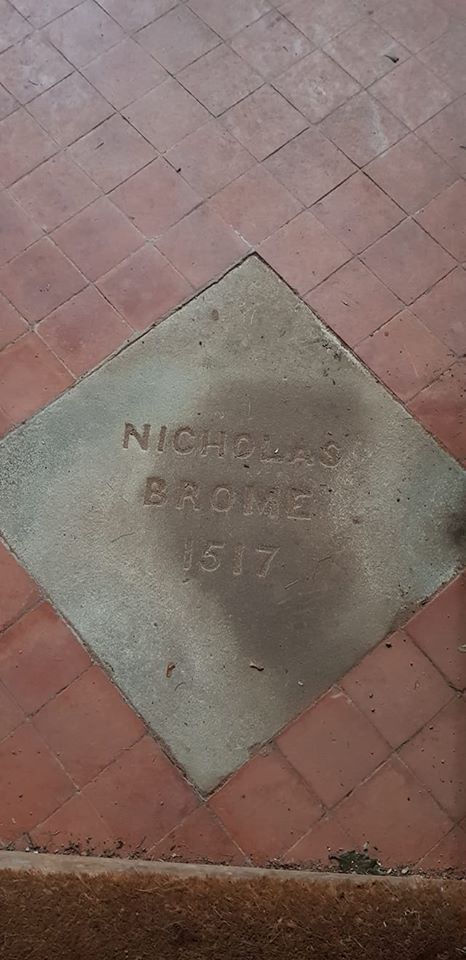
It could be that Nicholas Brome, his soul never properly laid to rest, still wanders the dark rooms and hallways of Baddesley Clinton. (A dark red stain on the wooden floor of the library is said to be the priest’s blood, but I must say I am not entirely convinced!).
In the Tudor period the house was taken over by the Ferrers family who bravely gave sanctuary to catholic priests during the reign of Elizabeth I. The tiny “priest holes”, where they would hide from Elizabeth’s soldiers, can still be seen.
This must have been a particularly frightening time because the punishment for observing the “old religion” was terrible indeed. Priests could be burnt at the stake, while their protectors ran the risk of being “hanged, drawn, and quartered”.
Traumatic experiences do seem to trigger paranormal activity. Members of the Ferrers family and many visitors to Baddesley have reported hearing raised voices and hurried footsteps coming from empty rooms. Could this be the chilling echoes of long dead catholics trying to evade their protestant hunters?
Another fascinating place I recently visited is Snowshill Manor, close to the picturesque Cotswold village of Broadway (a favourite place of creepy actor Donald Pleasence).
Snowshill has its origins in the ninth century when it was occupied by monks. The house, as seen today, dates from the 1500’s and has had many colourful owners, including Katherine Parr, one of Henry VIII’s long suffering wives.
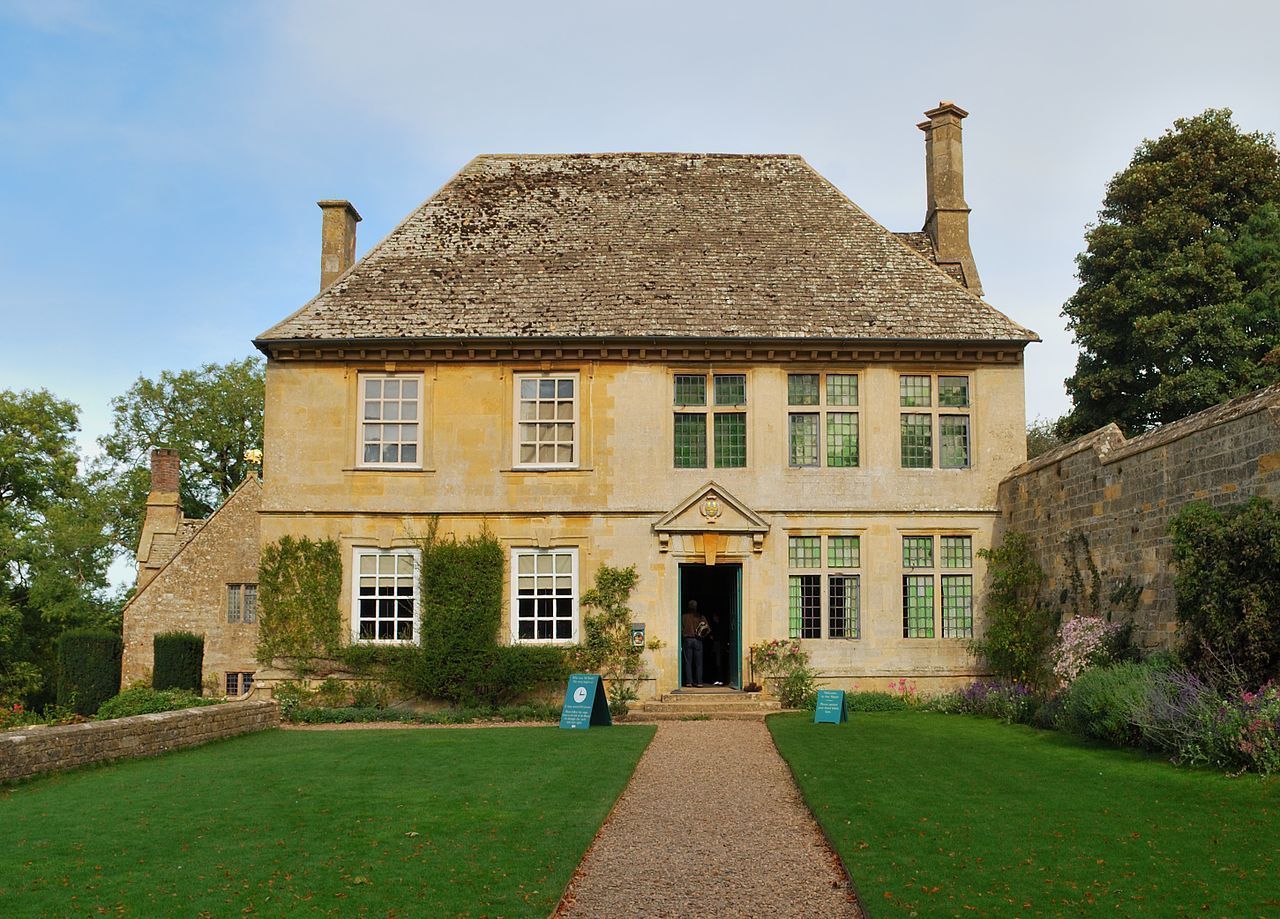
Its last owner was a wealthy eccentric by the name of Charles Paget Wade who chose not to live in the house, but in a little cottage in the grounds. Instead, he used the house to store his vast collection of bizarre and interesting objects, some of which had connections with witchcraft and alchemy. A room known as “the witches’ garret” is said to be decorated with magical symbols.
Snowshill has long had a reputation among local people of being haunted. Many people have reported strange, unnerving experiences here and it’s not unknown for some visitors to be suddenly overcome with fear and refuse to enter. When Wade bought Snowshill in 1919, he had difficulty employing local builders because they were too scared to work there. Some people claim to have seen the hooded figure of a monk in the house (ghostly monks seem to crop up everywhere!).
Another apparition is said to be that of an agitated young girl by the name of Ann Parsons. In 1604 she inherited some money but it was not to bring her any happiness or security. It seems that Snowshill was the venue for her forced marriage to a fortune seeking servant who mistreated her.
In the first half on the nineteenth century the house was owned by Charles Marshall. One evening, one of Marshall’s servants was greatly surprised to see his master riding close to the house. The servant’s shock was understandable seeing as he had only recently attended the old man’s funeral.
The servant, Richard Carter, saw the ghost several more times and finally plucked up the courage to speak to him. Local folklore has it that the ghost of Charles Marshall revealed to his former servant the location of a hidden bag of money. This story was related to Charles Paget Wade by Richard Carter’s great grandson.
At least one person was killed in Snowshill Manor, which adds to its ghostly atmosphere. A duel is said to have taken place in one of the rooms. The bloke who came second is thought never to have left.
A National Trust card is essential to anybody with an interest in history and ghostly goings-on. I will be returning to the subject of National Trust properties and their resident spectres in future blogs.
BLOGS