Norfolk is home to some old, and not so old spooky tales. It forms part of East Anglia and shares boundaries with Lincolnshire, Cambridgeshire, Suffolk and the North Sea. The county is mostly rural in comparison with other English counties, and
having few towns and cities, one being the historic city of Norwich with its two impressive cathedrals and thirty two medieval churches.
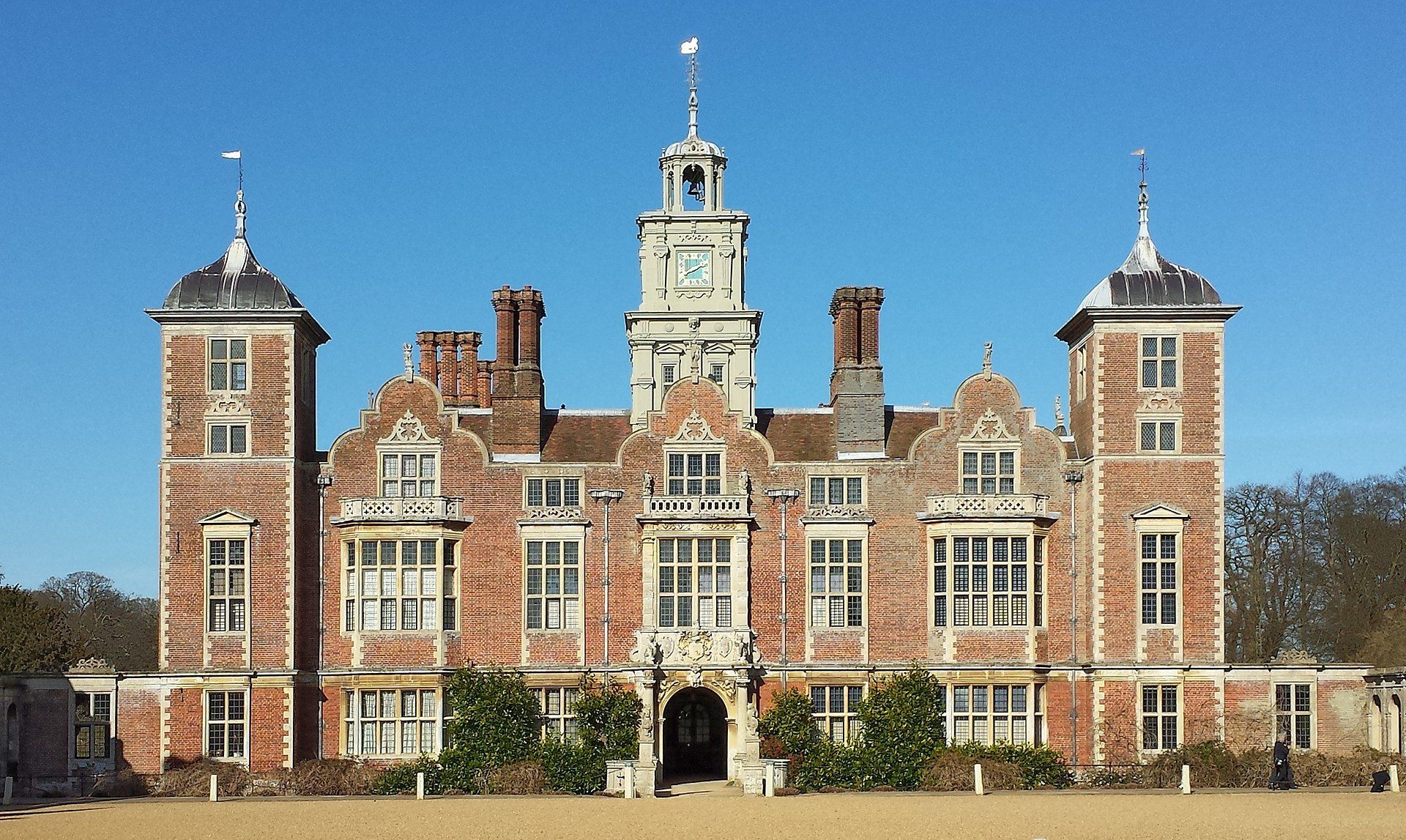
We start our ghoulish journey at Blickling Hall. An impressive red brick stately home that was built sometime after 1616 by Sir Henry Hobart and architect Robert Lyminge.
An earlier building owned by Sir Geoffrey Boleyn stood on the same site as the current Hall, and was believed to be the birthplace and childhood home of Anne Boleyn – the unfortunate second wife of Henry VIII – who’s fate was to lose her head at the hands of a skilled swordsman at the Tower of London on May 19, 1536.
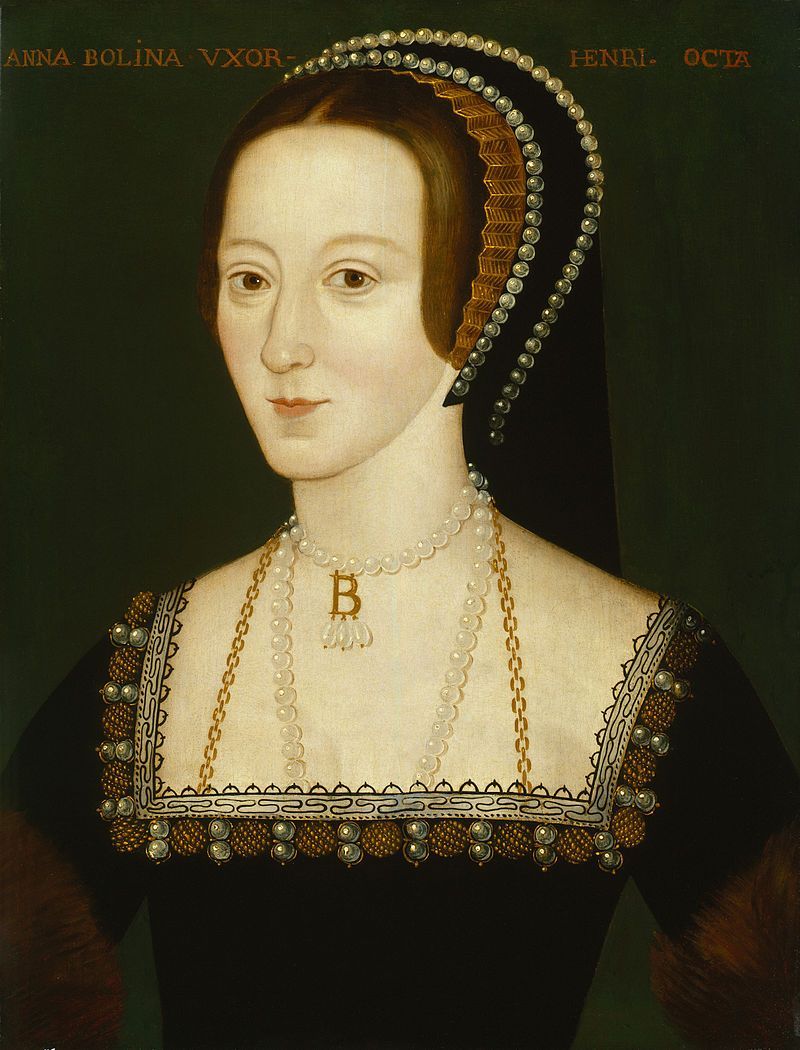
Anne’s headless ghost has since been seen at numerous locations, including the place of her execution, but her favourite haunt seems to be at Blickling.
It is said that on the 19th May, during the twilight hours, her anguished spectre can be seen riding in a phantom carriage while holding her severed head on her lap. The carriage frantically heading up the long driveway towards the Hall, driven by a headless horseman before disappearing out of view. Sometimes the urgency of the carriage and horses hurtling through uneven ground can be heard while the whaling cries from poor Anne herself is enough to make you stay far away from Blickling Hall on the anniversary of her execution!
Visitors to this grand house have sometimes felt uneasy and have been overcome by a sense of sadness. Anne and the headless horseman aren’t the only ones to haunt the Hall grounds however – her father Sir Thomas Boleyn has also been seen.
Out of guilt for not trying to save his daughter Anne from the wrath of Henry – Sir Thomas’ penance is to appear each year for a thousand years on the anniversary of his daughter’s death. He is given the impossible task of steering his ghostly carriage and horses from Blickling to Wroxham, crossing twelve bridges while cradling his decapitated head securely under his arm.
Blickling Hall is open most days to the public and is free for National Trust members, so if you’re in the area why not pop in and have a look around – you just might be unlucky enough to see one of these headless ghouls and their spectral carriages – just don’t hitch a ride with them.
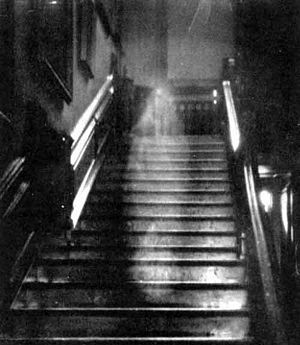
Twenty three miles west from Blickling is Raynham Hall, made famous in 1936 with the publication of a photograph taken by Captain Hubert C Provand of the ghostly image believed to be that of the long dead Lady Dorothy Walpole – better known as the “Brown Lady of Raynham Hall”. The capture is known worldwide and is probably one of the most famous images depicting an alleged apparition.
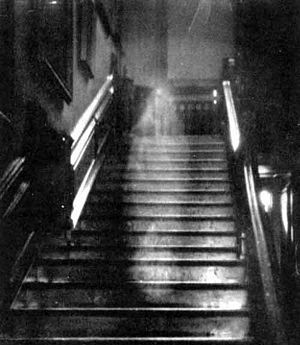
Lady Dorothy was the sister of Britain’s first Prime Minister Robert Walpole and the second wife to the violent and cruel Charles Townshend, a jealous and controlling man. The story of their marriage would be a turbulent one and unfortunately for Dorothy it would prove to be fatal – according to what story you believe, as there are many variations. One thing they all agree with is that Dorothy met an untimely dismal death and her ghost is said to haunt Raynham Hall – perhaps seeking revenge, perhaps searching for freedom.
Charles accused his wife of adultery and had her locked away in a room until she finally drew her last breath in 1726 at the age of 40 years old. It was after Dorothy’s demise that the sightings of the Brown Lady began – leading to the speculation that they were somehow linked and that the identity of the ghost must be that of Lady Dorothy Walpole.
The photograph is interesting and you can clearly see the outline of a human shape, resembling the many statues you might see of the Virgin Mary. I don’t dispute the existence of the Brown Lady of Raynham Hall, as there have been many accounts from numerous witnesses going back a very long time, however the image caught on film I believe isn’t real and is probably a double exposure or simply a hoax – whatever you believe, you cannot disregard the sightings experienced by unsuspecting normal credible people, who over the years have visited this intriguing and historical building.
Our next stop takes us south into the neighbouring county of Suffolk.
Here we find Dunwich, once the sixth largest trading sea port and town in England. Nowadays Dunwich is quite small having mostly disappeared into the abyss of the North Sea. Many homes, businesses and lives have been lost forever, succumbing to their watery graves. Of course many ghosts are associated with this place, including ghostly visions of cattle seen in the distance – their grassy pastures now submerged under many metres of sea water.
The beach at Dunwich is said to be haunted by several wandering spectres, who it seems are unaware of the living. A recording of the past, playing over and over, allowing the viewer a small glimpse of what was long before.
The town is slowly disappearing and might eventually be remembered only in the history books. The coastline is fragile and warning signs are dotted about the clifftops – which is where the last grave lies – waiting its turn to be washed away. This particular spot housed a church and graveyard but now hangs on the very edge of the cliff overlooking the sea – the church having long since gone. Over the years it has revealed gruesome sites of skeletal remains protruding from the cliff face.
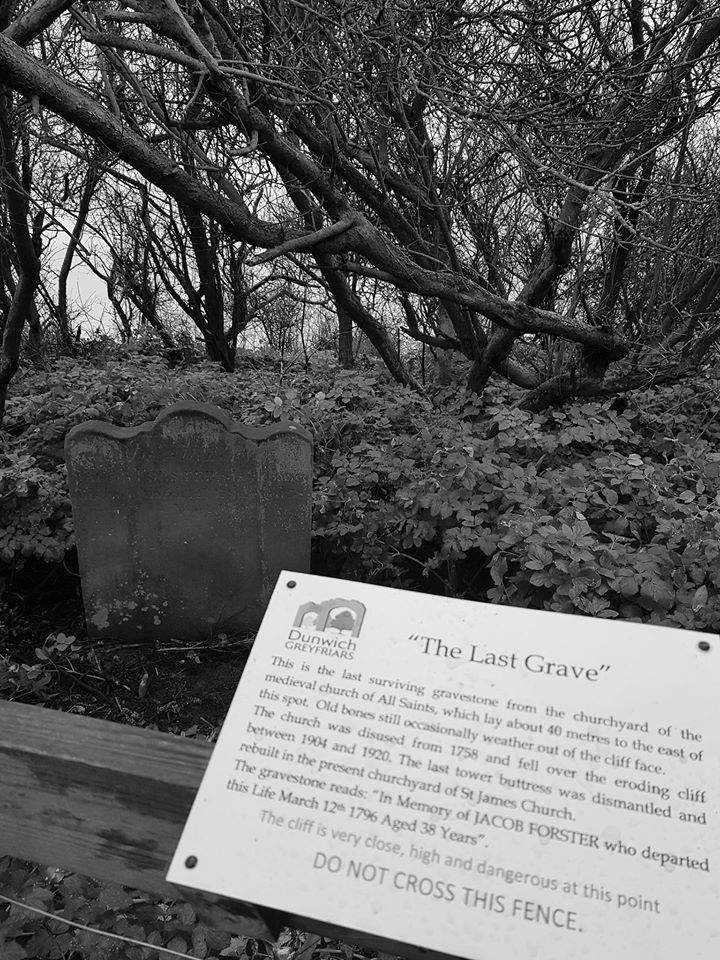
They say Dunwich takes on an eerie persona after dark, especially on the beach, where the dead souls rise up from the sea and once again walk upon dry land. The place is steeped in history and tragedy – which would seem a likely recipe for a ghost or two.
We stay in Dunwich for our next story – which lies adjacent to the last grave.
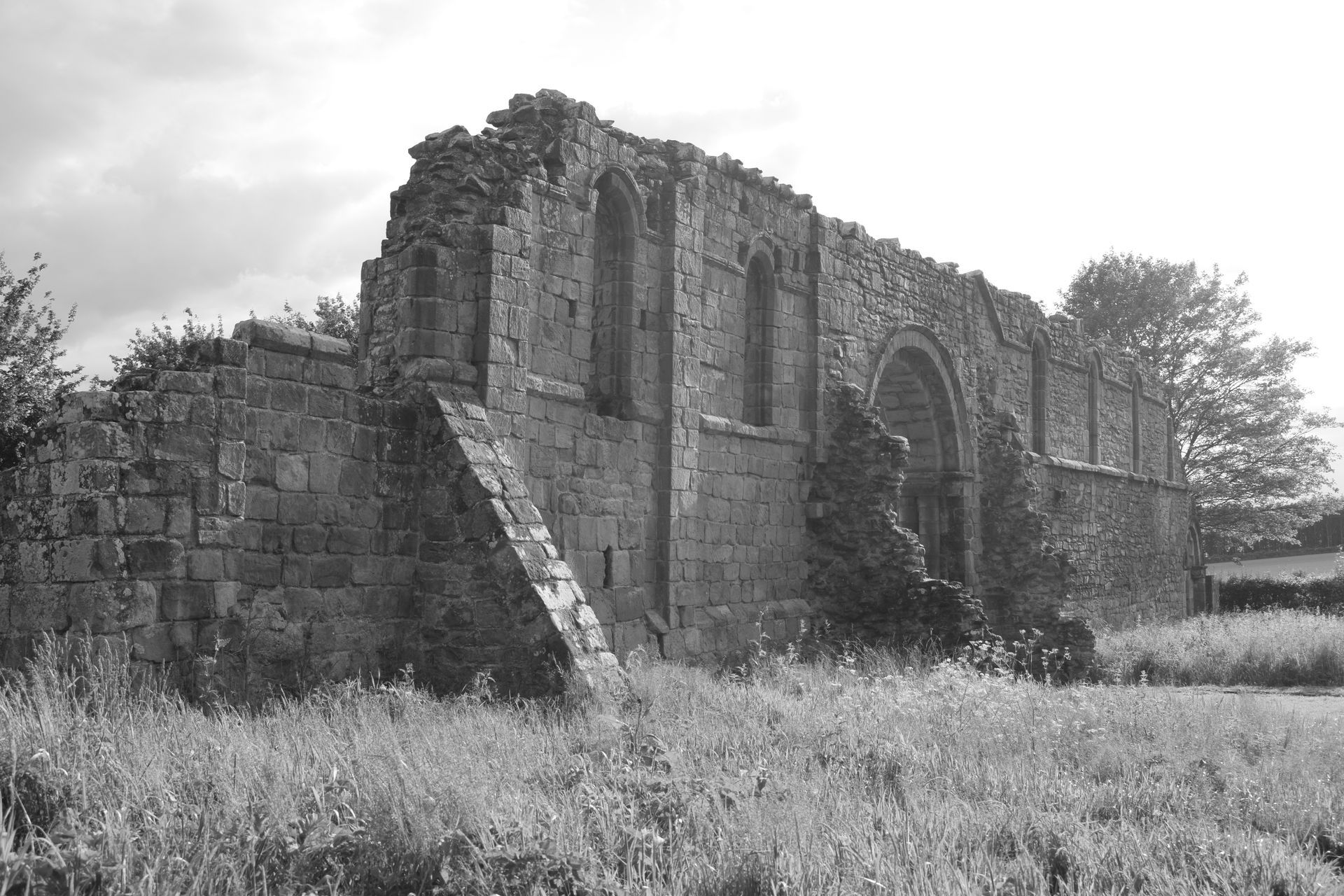
Greyfriars Friary was home to the Franciscan monks and was built in the 13th and 14th centuries. Strange lights have been seen flickering around the ruins after dark, particularly on Michaelmas Day and Christmas Eve. Distant chants have also been heard on stormy nights and shadowy cowled figures have also been seen wandering about the place, leaving witnesses terrified.
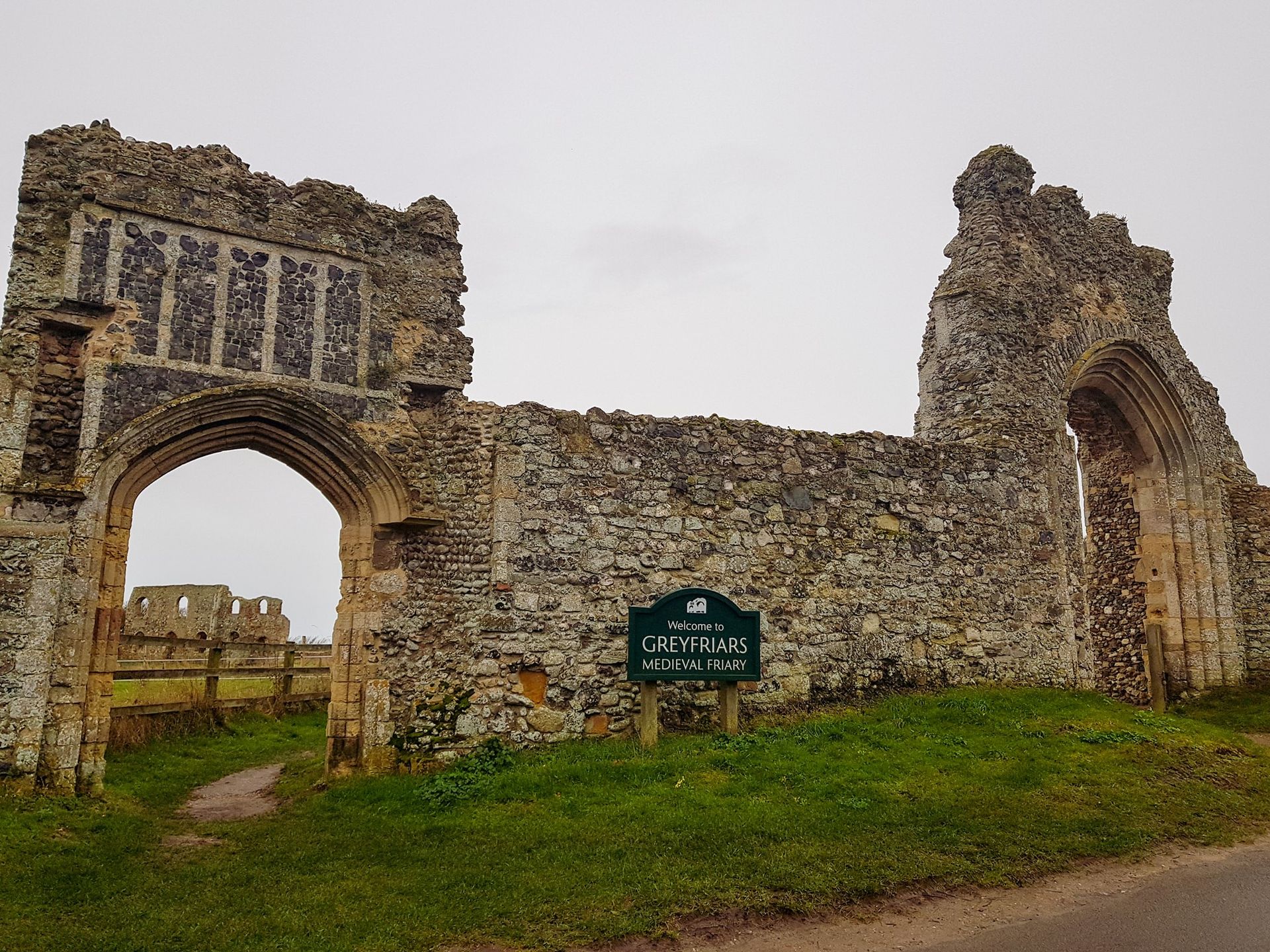
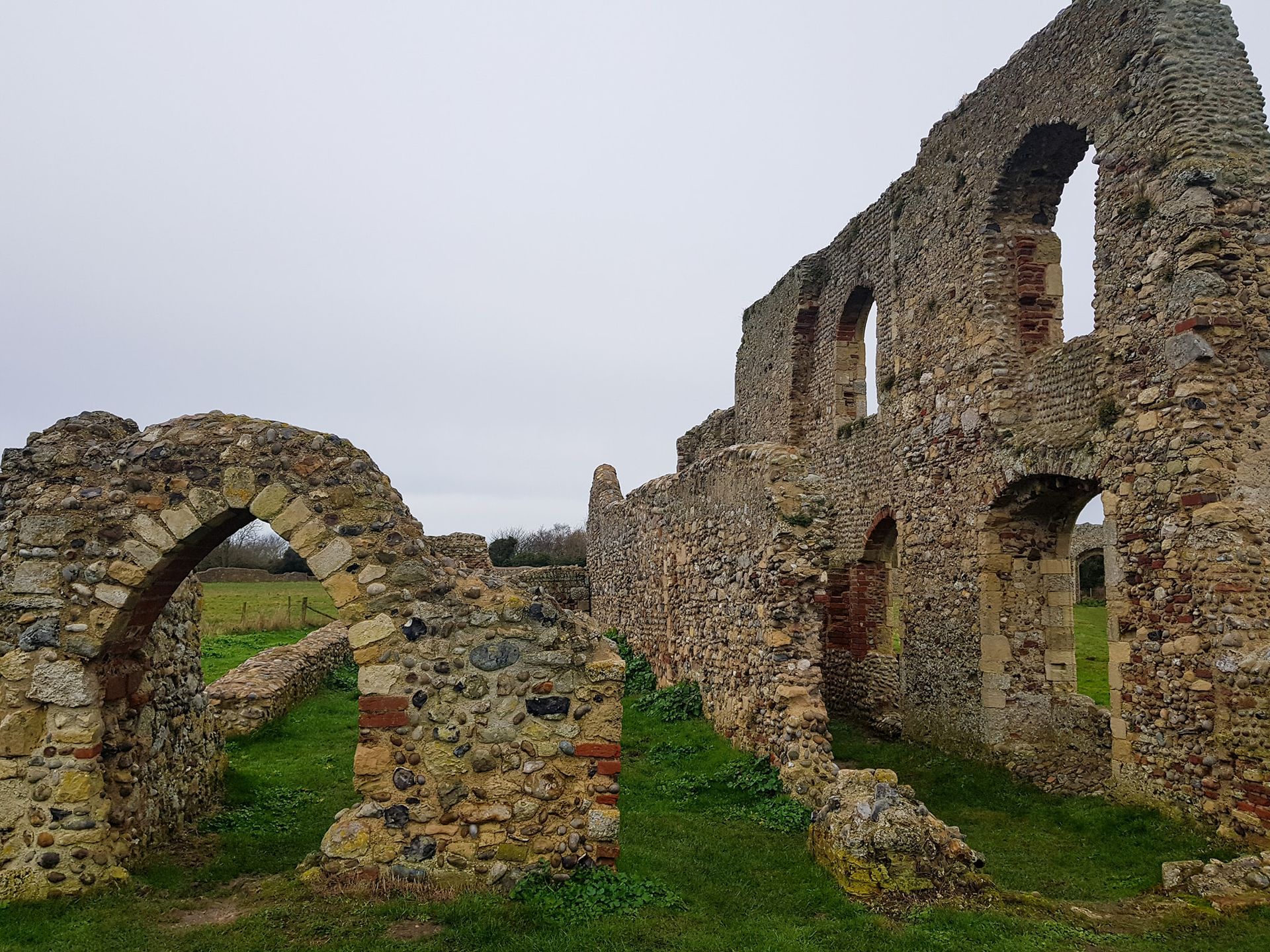
Another phantom to be spotted at the Friary is that of the “Black Shuck” a ghostly demonic hound that supposedly prowls around the town of Dunwich and its Friary.
In 1926 Mrs Rudkin was at Greyfriars walking her dog when she suddenly had a formidable sense of being watched. She looked around and to her horror she saw a very large black dog staring back at her from the ruins. Its mouth twisted as it snarled viciously – its eyes looked menacing – the creature seemed ready to pounce. She quickly headed back in the opposite direction to avoid any confrontation with the devil hound, and made a hasty retreat back onto the road. Later she told a local man what she’d seen. The man listened and tried to dismiss Mrs Rudkin’s encounter as a mere sheepdog but after she insisted that it was no sheepdog, the man quickly changed his demeanour and hurried away looking rather shaken.
The famous black dog of Dunwich is still seen on occasion roaming the Friary ruins and clifftops, sometimes the ominous presence of the animal is felt rather than seen to this very day.
Paranormal investigation groups have captured some interesting EVP’s on site – could this be the remnants of disembodied voices from long ago when it was home to the monks? Anything is possible!
If you do visit, please be mindful of the residents and pay attention under foot, as it can be very precarious. It might also be worthwhile taking a few doggy treats with you just in case …
I’ll come back to Norfolk and Suffolk in future blogs as there are many stories and legends to be told.
BLOGS