Yes, it’s that scary time of year again.
The shops are full of pumpkins and pointy hats. Little devils roam from door to door demanding money and sweets. If you don’t pay up, you may well find your front door decorated with eggs and flour (the little monsters).
There is, of course, a lot more to Halloween than this recent import of American trick or treatery.
Most cultures, the world over, seem to have developed a “Festival of the Dead” which is basically what Halloween is all about.
The barrier between the physical world and the spiritual world is weakened and the dead are free to walk amongst the living.
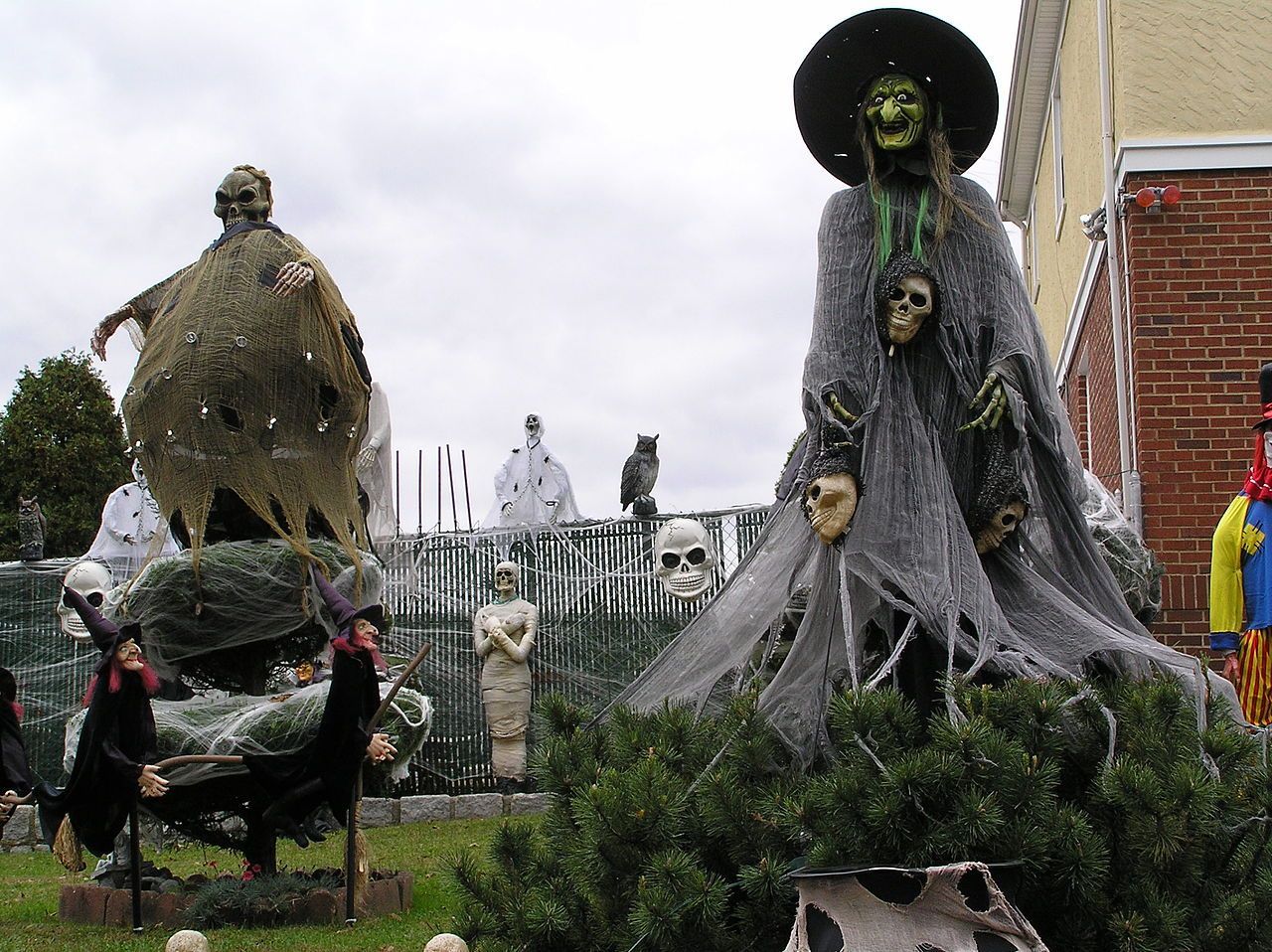
On October 31st, if you see somebody dressed as a ghoul or a vampire, they probably don’t realise it but they’re acting out an ancient tradition.
They are mimicking the dead in order to protect themselves from the visiting spirits.
Halloween, in Britain and north America, has its origins in Gaelic culture. Indeed, the reason why it is so popular in the US is because of the mass Irish immigration of the 19th century.
There was an ancient Celtic festival called Samhain which marked the end of summer and the beginning of the long dark winter. This was a critical time of change and they believed that normal time was briefly suspended.
This meant that the spirits of the “Otherworld” – some good, some evil – were free to invade.
A “Feast of the Dead” would be held to honour and placate these spirits (and to hope they would return to their world without causing too much trouble).
This pagan festival, like so many others, was eventually Christianised and November 1st became All Hallows Day. October 31st naturally became All Hallows Eve which we now call Halloween.
The church meant for this festival to be a commemoration of the blessed dead, the “hallowed”.
Over the centuries, All Hallows Eve became a raucous night of bonfires and bad behaviour. People could play tricks on each other and blame the evil spirits. (In some of our towns, Halloween is referred to as “Mischief Night”.) This is obviously how trick or treating developed.
Many traditions and superstitions became associated with Halloween.
Familiar games such as apple-bobbing were once taken seriously by young men and women. If you managed to grab an apple with your teeth, you were supposed to then peel it in one unbroken strip. You would toss the apple peel over your shoulder. The shape of the peel when it landed was supposed to be the first letter of the person you would marry.
Young women also believed that if they sat in a darkened room, on Halloween night, and stared into a mirror, the face of their future husband would appear.
There was a downside to this particular form of divination. If a skull appeared in the mirror the unfortunate girl was not long for this world.
Another form of Halloween fortune telling began in Ireland. Various little objects were baked into a fruit bread (a barmbrack). When the bread was sliced, the object you received would determine your future.
If you received a pea then you were destined not to marry. If you received a ring you would marry within the year. A matchstick would mean an unhappy marriage; a coin would bring good fortune.
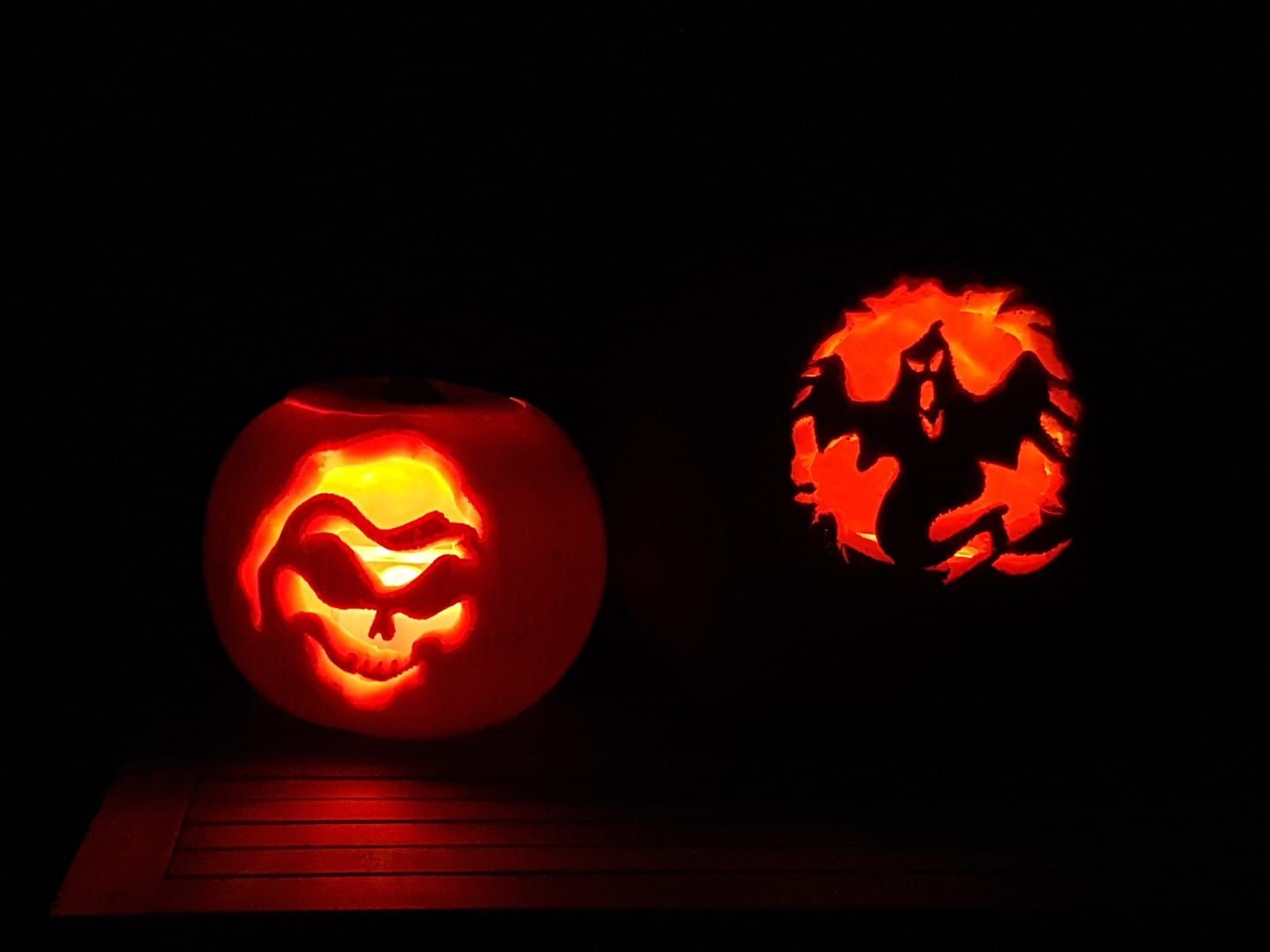
The tradition of the American pumpkin also originated in Ireland. Instead of a pumpkin they used a hollowed out turnip and called it a “Jack O’ Lantern”.
Legend has it that Jack was a drunken farmer who tricked the devil into climbing a large tree. Jack then trapped the devil by carving a cross into the tree trunk.
In revenge the devil placed a curse on Jack. He was condemned to forever wander the dark roads and country lanes. His only light, a solitary candle in a hollow turnip.
Our modern take on Halloween bears little resemblance to the festival observed by our ancestors. They literally believed they were about to be visited by all manner of devils and demons from the underworld.
Hopefully that won’t happen to us this Halloween.
But you never know!
Have fun.
BLOGS